
Discover 25 leading alternative data providers helping lenders improve credit decisions, detect fraud, and serve borrowers beyond traditional scoring.
.webp)

We analyzed 6.1 million loan applications
The results show how digital credit scores correlate with default risk.
Traditional credit scoring leaves too many blind spots. Alternative data fills them.
By turning digital footprints into actionable insights, lenders can improve scoring accuracy, reduce fraud, and expand approvals.
In this guide, we explain the concept and compare 25 top alternative data providers shaping the future of credit risk.
Alternative data for credit scoring refers to any information that comes from outside traditional credit reports and financial documents.
Instead of relying solely on credit bureau history, it gives lenders a more nuanced view of a borrower’s financial behavior and reliability.
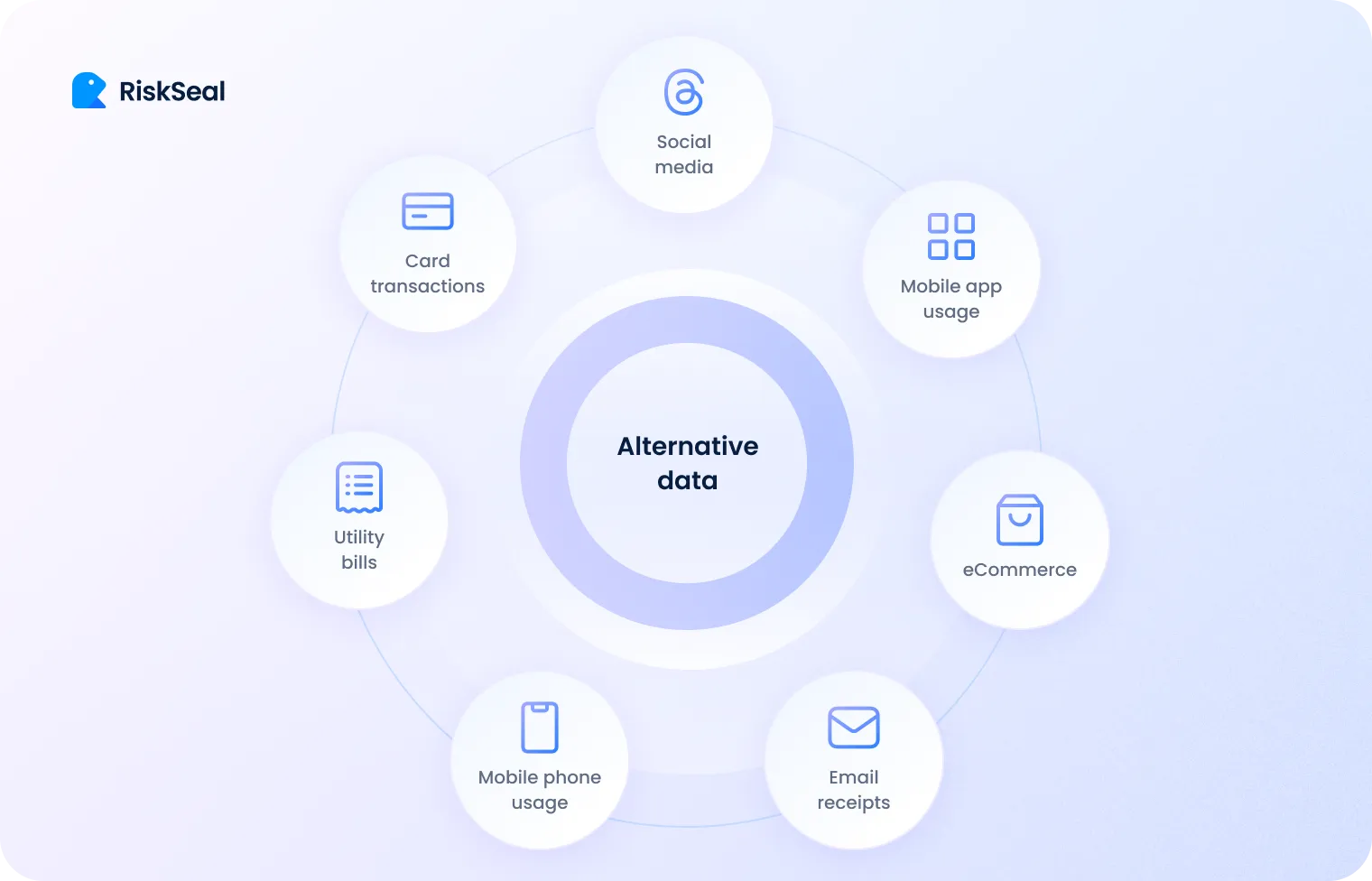
At its core, alternative data is built on a person’s digital footprint – the trail of information we all leave behind when using the internet, mobile devices, and online services.
Every interaction, from creating accounts to maintaining subscriptions, contributes small signals that, when combined, can reveal patterns of stability, consistency, and trustworthiness.
This type of data can come from a wide range of sources. Common examples include:
Together, these data points help best alternative data providers form a more complete picture of how a person behaves in real life. Not just how they interact with financial institutions.
Importantly, alternative credit scoring focuses only on publicly available or permission-based data.
It does not access private content such as direct messages, personal conversations, detailed purchase histories, or streaming activity.
Instead, it analyzes high-level behavioral and structural patterns that indicate whether a digital identity appears genuine, stable, and low-risk.
By incorporating these additional insights, lenders can move beyond the limitations of traditional scoring models.
This approach makes it possible to assess thin-file or no-file applicants more accurately, reduce fraud risk, and ultimately make fairer, more inclusive lending decisions.
To make comparison easier, we’ve summarized the leading alternative data providers below, highlighting what each platform offers and where it fits best.
The best provider ultimately depends on your specific use case. Whether you need stronger fraud detection, better credit scoring for thin-file users, or deeper financial and behavioral insights.
We relied on specific criteria to compile a list of alternative data providers. In our view, such providers should:
Based on our analysis, we’ve highlighted 25 alternative credit data providers that meet these standards.
Overview:
RiskSeal is an alternative data provider that helps lenders strengthen credit scoring models with unique digital footprint signals.
The local alternative data it provides is unavailable from traditional bureaus or most competing vendors.
The platform acts as a data enrichment layer for risk teams, helping improve risk segmentation, fraud detection, and model performance across multiple markets.
Strengths:
Website: https://riskseal.io/
Cost:
Starting from $499/month, with flexible pricing, a pay-as-you-go model, no additional integration fees, and support and training included. Free PoC is available.
Overview:
LenddoEFL is a scoring solution that uses artificial intelligence, machine learning, and predictive analytics to analyze both traditional and alternative data. The company is especially known for using psychometric data to assess borrower creditworthiness.
Strengths:
Website: https://lenddoefl.com
Cost:
No publicly available pricing information. Users need to fill out a form on the website to get tariff details. Trial period information is not available.
Overview:
Rubix is an analytical platform designed to help businesses mitigate credit risk, strengthen supply chain security, and monitor compliance requirements for users in India and globally.
Strengths:
Website: https://rubixds.com
Cost:
Customized pricing. You need to contact the company for details. Trial period information is not available.

Overview:
Plaid is an alternative data provider that helps organizations assess potential clients by analyzing banking transactions, income, and expenses.
Strengths:
Website: https://plaid.com
Cost:
Offers free and custom pricing plans. Trial period available.
Overview:
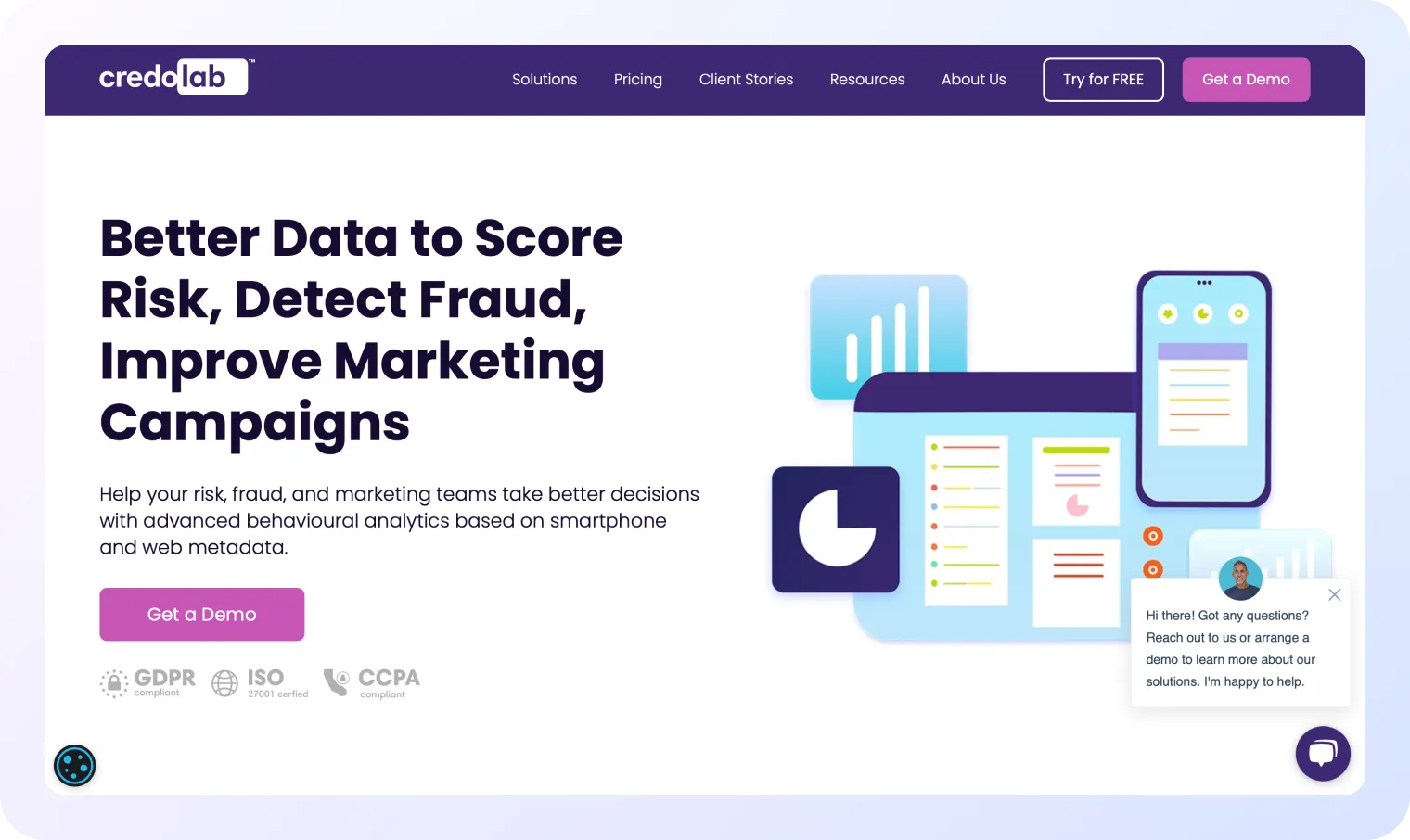
Credolab is a platform that enriches scoring models with alternative data for risk assessment, fraud detection, and marketing improvement.
Strengths:
Website: https://www.credolab.com
Cost:
Starting from $600/month. A 30-day free access period is available.
Overview:
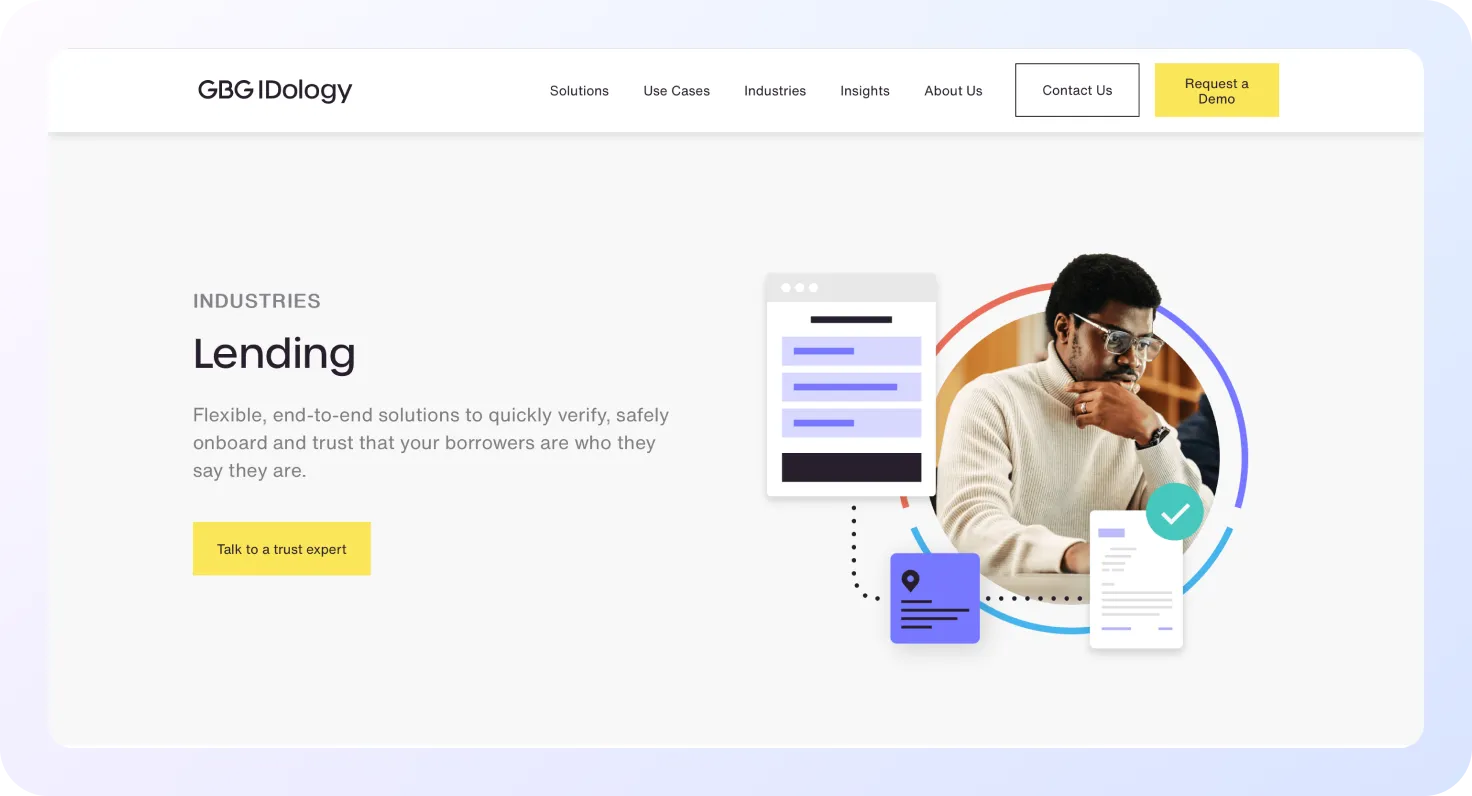
IDology is a platform focused on identity verification at the point of transaction, helping businesses prevent fraud, reduce costs, and maintain regulatory compliance.
Strengths:
Website: https://www.idology.com
Cost:
Custom pricing. You need to contact the company for a quote. Trial period is available upon request.
Overview:
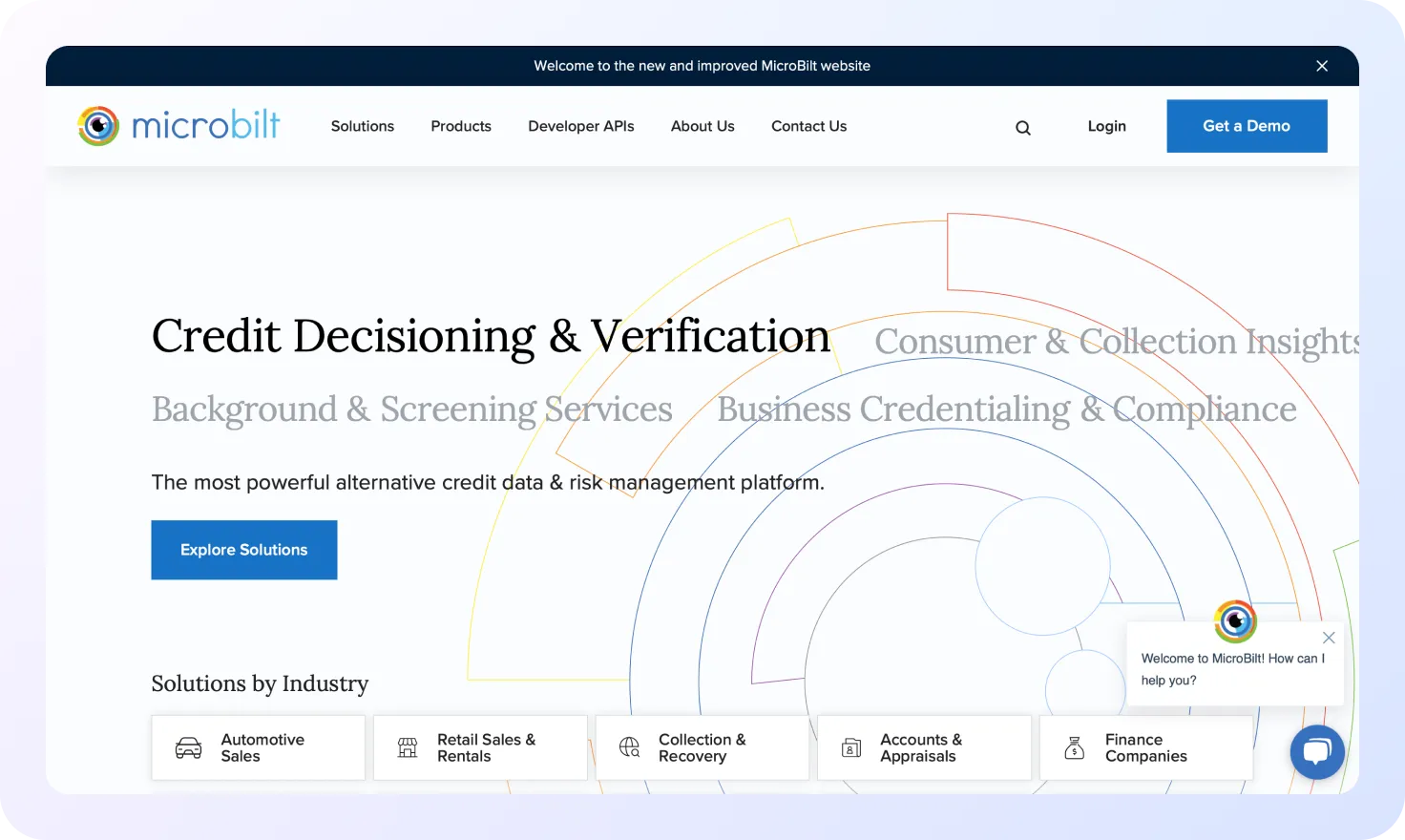
MicroBilt provides alternative data and predictive algorithms to help organizations assess the creditworthiness of clients or partners across different industries.
Strengths:
Website: https://www.microbilt.com
Cost:
Subscription-based pricing depending on service volume. Trial period is available upon request.

Overview:
ArkOwl is a platform for real-time email address and phone number verification. It provides raw data that helps clients assess the reliability of a user.
Strengths:
Website: https://arkowl.com
Cost:
Offers monthly subscription, upfront payment, and pay-as-you-go options. Trial period available with registration.

Overview:
Dana is a solution for e-commerce platforms that want to provide users with instant loans through a digital lending platform.
Strengths:
Website: https://dana.money
Cost:
Pricing is available on request. No trial period information is provided on the official website.

Overview:
Monnai is a solution for fintech companies that uses AI to analyze fragmented customer data, support identity checks, and assess online behavior.
Strengths:
Website: https://monnai.com
Cost:
Flexible pricing policy. Trial period available.
Overview:
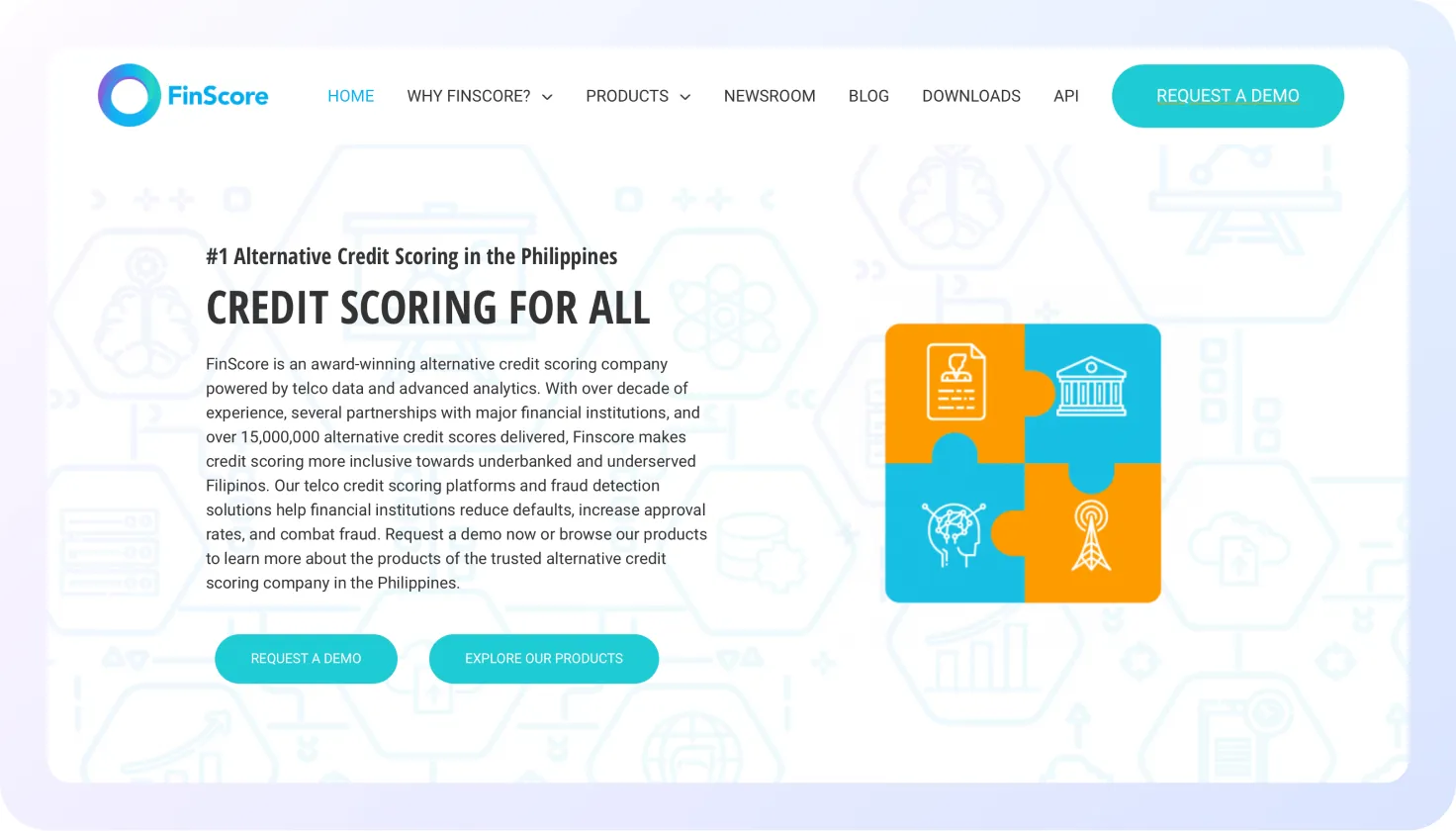
FinScore is a fintech company specializing in alternative credit scoring based on telecom provider data. It operates in the Philippines and Indonesia and uses AI and machine learning to assess borrower creditworthiness.
Strengths:
Website: https://www.finscore.ph
Cost:
SUPERFLEXI and DISCOVERY tariff plans are available on request, with personalized pricing also possible. All pricing plans include access to Proof of Concept and Historical Backtesting.

Overview:
LexisNexis Risk Solutions is a provider of alternative data for organizations across financial services, insurance, public administration, and other industries. The company focuses on analytics, risk forecasting, and fraud prevention.
Strengths:
Website: https://risk.lexisnexis.com
Cost:
Complex pricing structure. Search fees range from $0 to $469, with combined searches priced individually. Trial period available.
Overview:
Trusting Social provides AI-based tools that help lending institutions manage credit risk, identify borrowers, and assess creditworthiness. The company operates in India, Indonesia, Vietnam, and the Philippines.
Strengths:
Website: https://trustingsocial.com
Cost:
Customized pricing. No free trial available.
Overview:
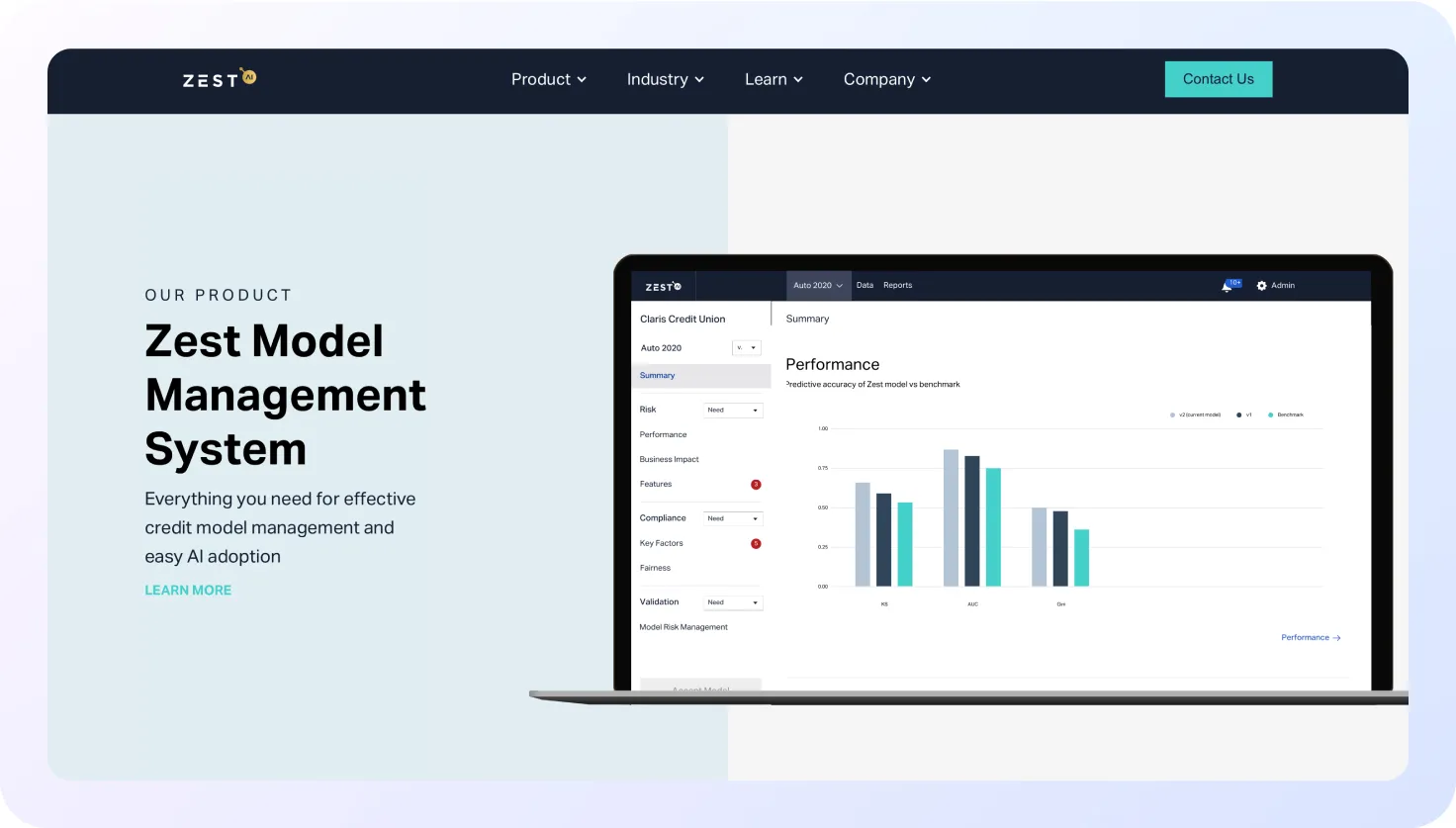
Zest AI is an American technology company that offers an AI-based platform for building customized credit scoring models and predicting risk.
Strengths:
Website: https://www.zest.ai
Cost:
Custom pricing. Businesses need to arrange a consultation or demo to get a quote. Free trial is not available, but a demo can be requested.

Overview:
CreditXpert focuses on improving borrower credit ratings in the mortgage lending space. The platform uses alternative data to assess applicants, build credit improvement plans, and help lenders offer more personalized loan terms.
Strengths:
Website: https://creditxpert.com
Cost:
From $99. No free trial period, but two demo options are available: a pre-recorded video and an interactive demo.

Overview:
AdviceRobo is an AI-based platform focused on advanced decision-making in lending and marketing. It enables organizations to track and evaluate risks using dynamic financial analytics.
Strengths:
Website: https://advicerobo.com
Cost:
Customized pricing. A free 30-day trial period is available.
Overview:
AperiData presents itself as a real-time credit reference agency. It specializes in risk analytics and credit scoring for financial organizations.
Strengths:
Website: https://www.aperidata.com
Cost:
No publicly available pricing. Consultation required. No trial period is listed, but a demo can be booked.

Overview:
APLYiD is a platform designed for AML and KYC compliance. It uses biometric identification and data verification technologies to verify clients for businesses in legal, real estate, and accounting sectors.
Strengths:
Website: https://www.aplyid.com
Cost:
Four pricing plans are available, but pricing details require contacting the company. Trial period available.

Overview:
Atto is a fintech company that helps lenders make credit decisions and manage portfolios using alternative data. It focuses on serving businesses and consumers with limited financial inclusion.
Strengths:
Website: https://www.atto.co
Cost:
No publicly available pricing. Consultation required. No trial period is listed, but a demo can be booked.
Overview:
Basiq is an open banking API platform that gives clients tools to aggregate consumer financial data and run analytics on top of it.
Strengths:
Website: https://www.basiq.io
Cost:
Calculated individually. Fees apply for platform access and additional functionality. No trial period is provided.

Overview:
AccountScore is an analytics provider that helps businesses obtain, enrich, and understand bank transaction data. Its solutions are used for credit modelling, affordability assessment, tenant verification, and marketing profiling.
Strengths:
Website: https://accountscore.net
Cost:
No publicly available pricing. Consultation required. No trial period is listed, but demos and API access can be requested.

Overview:
Jumio is an AI-powered digital identity solution that provides contextual insights throughout the customer lifecycle. It combines biometric verification, liveness detection, AML screening, and real-time risk intelligence.
Strengths:
Website: https://www.jumio.com
Cost:
Pricing is not publicly available. Jumio offers a Total Cost of Ownership Calculator and demos upon request. No public trial period is listed.
Overview:
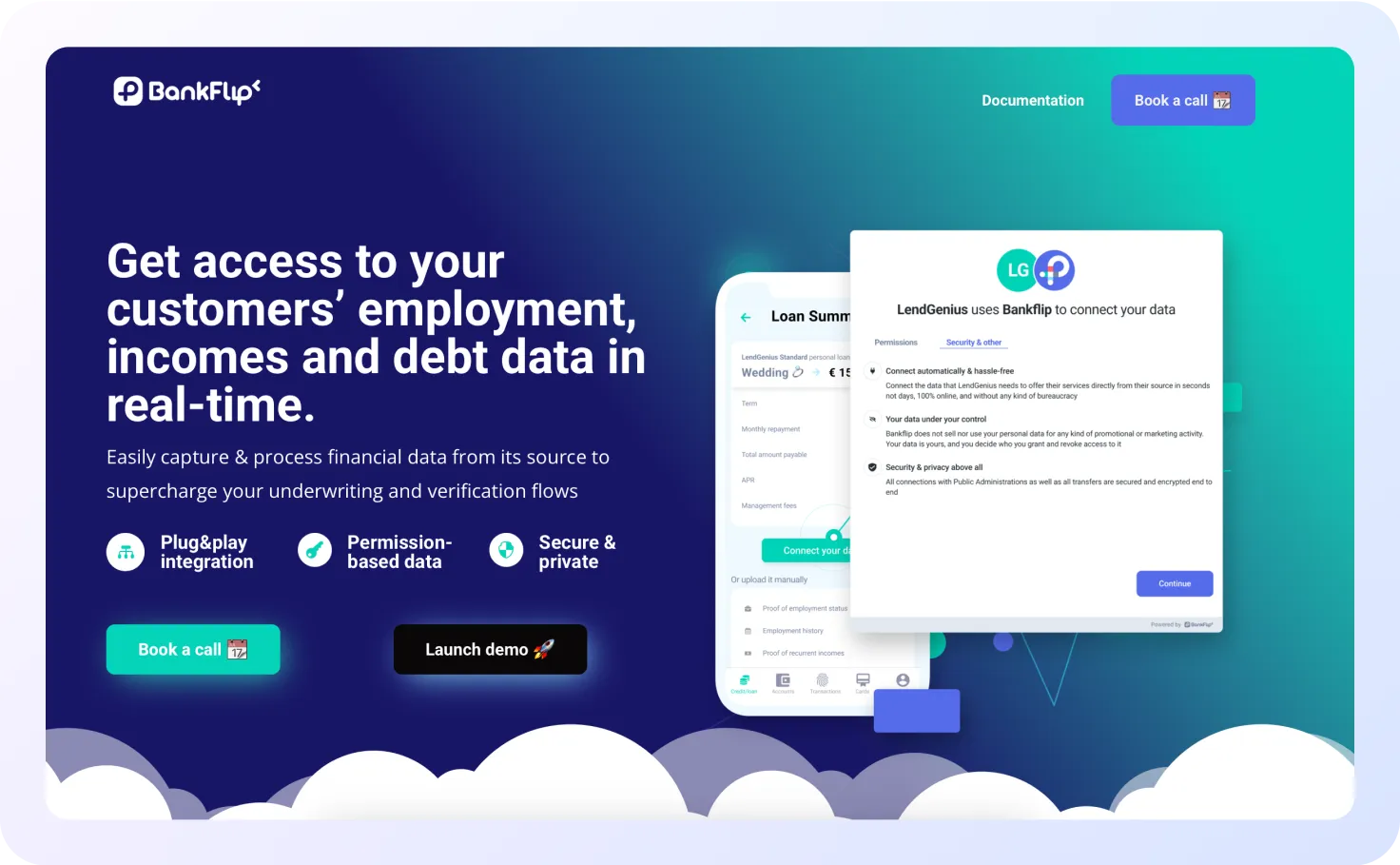
BankFlip is a platform that gives access to customers’ employment, income, and debt data. Its plug-and-play integration is designed to simplify underwriting, verification, and risk assessment.
Strengths:
Website: https://www.bankflip.io
Cost:
No publicly available pricing. Consultation required. No trial period is listed, but businesses can book a demo and test the live widget.
Overview:
ComplyAdvantage is an AI-driven AML risk detection company. Its SaaS platform combines customer and company screening, ongoing monitoring, and transaction analysis, while using alternative data to enrich compliance insights.
Strengths:
Website: https://complyadvantage.com
Cost:
Starter plan begins at $99.99/month for up to 1,000 monitored entities. Enterprise pricing is available on application. No public trial period is listed, but businesses can sign up for the Starter plan or request an Enterprise demo.

Overview:
Fourthline is a modular identity platform that helps businesses address identity and compliance challenges. Clients can use standalone solutions or combine verification, authentication, and AML monitoring tools.
Strengths:
Website: https://fourthline.com
Cost:
No publicly available pricing. Consultation required. No public trial period is listed, but businesses can request demos and tailored consultations.
Choosing an alternative data provider takes more than comparing feature lists. The right provider must fit your risk strategy, market, and technology.
Start with the problem you actually need to solve. Alternative data is a tool, not a universal fix.
You may want to score thin-file applicants more accurately. Or reduce defaults without cutting approval rates.
Some lenders need stronger fraud detection or identity checks. Others want better segmentation within an existing scoring model.
In my experience, this step shapes everything that follows. A provider can offer excellent data and still solve the wrong problem.
Regional coverage matters just as much. Check whether the provider has meaningful data sources in your target markets.
Local platforms often reveal more than global ones alone. Their predictive value can also vary between countries.
Alternative data touches sensitive regulatory and privacy questions. Compliance therefore belongs near the start of vendor evaluation.
Check how the provider sources, processes, and stores personal data. Ask which third-party websites, apps, and databases contribute signals.
The solution should support applicable regional requirements. That may include GDPR in Europe or LFPDPPP in Mexico.
Under GDPR, organizations must consider principles including lawfulness, transparency, purpose limitation, and data minimization. They must also disclose relevant processing and data sources.
Your compliance team should review the provider's policies and contracts. Do this before moving from testing into production.
A strong demo shows what a product can do. Technical due diligence shows whether you can rely on it.
Review average and high-percentile response times. Check uptime commitments, rate limits, authentication, error handling, and monitoring.
Good API documentation also shortens implementation work. Your tech team should understand inputs, outputs, reason codes, and fallback behavior.
Ask what happens when an underlying data source fails. One unavailable source should not make the whole decisioning process unpredictable.
Historical backtesting is one of the most important evaluation steps. Test the provider on real applications with known outcomes.
Large datasets give you much stronger evidence than small samples. Ideally, use hundreds of thousands of past applications where possible.
Compare the provider's scores with your existing model. Measure predictive lift, default separation, approval impact, and performance by borrower segment.
For example, the RiskSeal API delivers up to an 8-point Gini uplift when combined with bureau data. On its own, the platform achieves up to 0.74 AUC.
In regulated lending, vendor models also need independent validation. Current U.S. supervisory guidance specifically includes vendor products within model risk management.
Predictive performance alone should not decide the evaluation. Risk teams also need to understand what drives each result.
Review reason codes and feature logic. Check whether your team can explain material score changes.
Test performance across relevant borrower groups and markets. You also need to know how the model behaves when data availability changes.
I would also ask how often performance gets monitored. Alternative data sources evolve, so yesterday's predictive relationship may weaken over time.
The advertised API price rarely represents the full investment. Calculate the total cost of putting the provider into production.
Include integration work, minimum commitments, data volumes, support, training, and ongoing maintenance. Add internal compliance and model-validation resources as well.
Compare those costs against measurable expected value. Approval lift or lower defaults matters more than the cheapest API call.
Finally, assess the team behind the technology. Problems rarely arrive according to a convenient schedule.
Check support hours, escalation processes, and typical response times. Ask whether technical and risk specialists stay involved after integration.
This becomes especially important during model changes or new-market launches. Fast access to knowledgeable support can prevent small issues from disrupting underwriting.
The best alternative data provider should therefore pass several tests at once. It needs relevant data, measurable predictive value, strong compliance, reliable infrastructure, and practical support.
Managing credit risks using alternative data offers numerous advantages for lenders.
It allows them to extend services to individuals with limited or no credit history.
This approach helps spot fraud and identify potential defaulters right at the application stage.
Want to learn more? Book a consultation with RiskSeal to see how we can help grow your lending business.
We analyzed 6.1 million loan applications
The results show how digital credit scores correlate with default risk.

How can alternative data help with credit risk reduction?

Alternative data provides lenders with a more comprehensive view of borrowers' creditworthiness.
Alternative data providers offer information that allows concluding potential clients' financial status based on factors like subscription payments, timeliness of rent and utility payments, online consumer behavior, etc.
What are the best alternative data providers for the lending industry?
While there are many alternative data providers in the market, most of them cater to organizations across various industries.
RiskSeal, as an alternative data provider, exclusively focuses on credit risk management, deeply understanding the specifics of lending businesses. The company offers lenders an innovative solution to enrich their scoring models with alternative data.
Is using alternative data compliant with regulations like GDPR or CCPA?
The use of alternative data in credit scoring must comply with regulations such as GDPR, CCPA, and other similar laws that apply in the specific region.
The responsibility for compliance lies with the lending organization. This includes ensuring the secure use and storage of user data.
How do lenders integrate alternative data with existing credit models?
Once a lender partners with an alternative data provider, the next step is to update and enrich their existing credit scoring models. This integration is typically carried out according to the lender’s internal processes and regulatory considerations.
After implementation, it's critical to evaluate the performance of the enhanced models by comparing them against traditional credit assessment methods. Metrics such as predictive power, approval rates, and default risk are commonly analyzed.
Finally, based on these insights, the lender decides whether to adopt the alternative scoring approach more broadly and establish a long-term partnership with the data provider.
How should lenders compare alternative data providers?
Lenders should compare providers against a defined underwriting goal. Key factors include regional coverage, predictive performance, compliance, explainability, API reliability, integration effort, and total cost.
Historical backtesting is especially important. It shows whether the provider adds measurable lift to an existing credit model.
Which provider is suitable for thin-file underwriting?
A suitable provider should offer signals beyond traditional credit history. These can include digital identity, device, behavioral, transaction, or cash-flow data.
The provider should also demonstrate predictive value for thin-file applicants specifically. Performance on the lender’s own historical portfolio is more useful than general benchmark claims.
How can lenders verify a provider’s data accuracy?
Lenders should review how the provider sources, validates, and updates its data. They should also check coverage rates, missing-data levels, consistency, and source reliability.
Historical testing can reveal whether individual signals remain stable and predictive. Providers should also explain how they handle unavailable or conflicting data.
What should be tested during a proof of concept?
A proof of concept should test predictive lift, coverage, response time, data quality, and model stability. Lenders should also compare approval and default outcomes against their current approach.
The test should use real historical applications with known outcomes. A large and representative sample produces more reliable results.
How long does alternative data integration usually take?
Integration time depends on the provider, API complexity, compliance checks, and internal approval processes.
A technically simple API may take only hours or days to connect. RiskSeal integration usually takes 1 business day.
Full production deployment can take longer. Testing, validation, security reviews, and model governance often account for most of the timeline.

Explore how digital footprint analysis improves credit scoring models, boosting default prediction accuracy and approval rates in emerging markets.

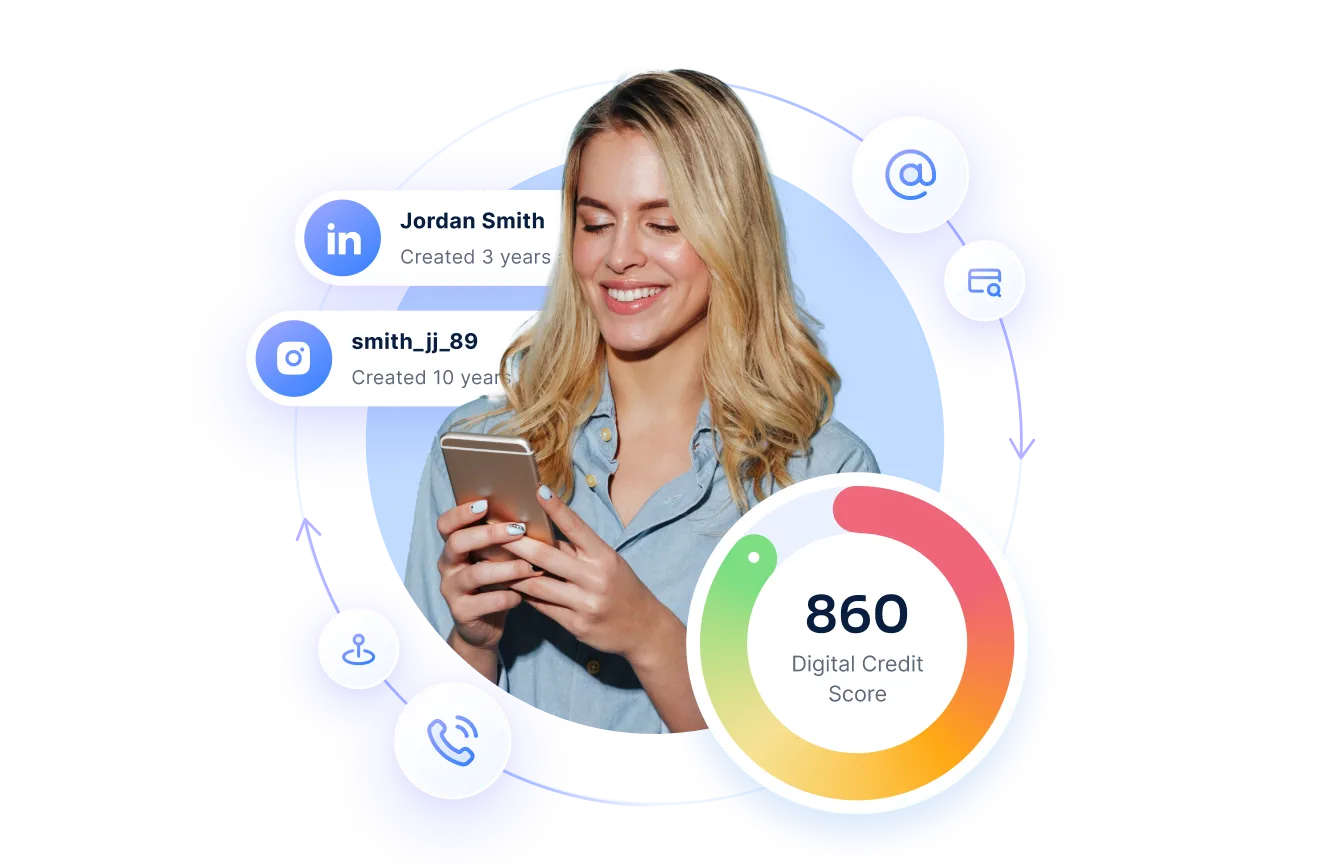
Explore data enrichment with this hands-on guide. Learn onboarding best practices, avoid common pitfalls, and see real use cases.

Explore the top real-time credit risk platforms and learn how faster data improves approvals, reduces fraud, and boosts model performance.
